
Private Versus Public Cloud Hosting For Small Business
March 24, 2017
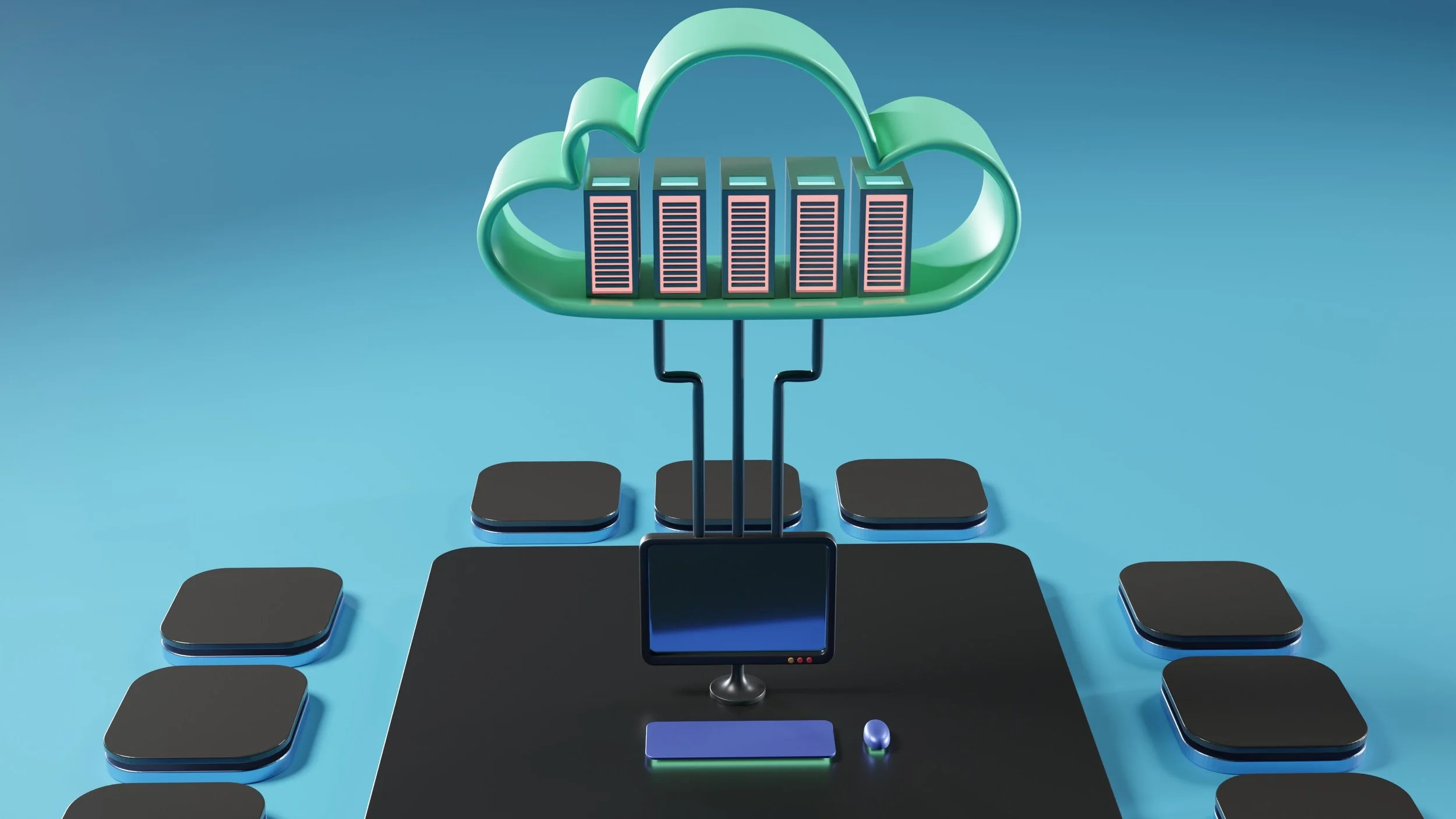
As more businesses make the shift away from fully self-managed IT operations and toward data and services hosted in the cloud, the debate rages on whether or not a private or a public cloud hosting arrangement is the ideal setup, particularly for small businesses.
There is no doubt that the cloud computing trend is growing. Gartner estimates that by 2020, over $1 trillion will be directly or indirectly spent on the cloud shift, signaling an impressive rate of growth not seen in recent times.
To put that in perspective, approximately 53% of companies in 2016 did not use cloud services, and that number is expected to fall to 9% by 2020.
So as small companies contemplate joining the rush and taking advantage of the numerous benefits that cloud computing offers, many are left wondering what avenue they should take. Is a public cloud arrangement sufficient for their needs, or do they need to go the private cloud route?
Let’s take a look at the difference between public and private cloud environments and determine which one makes the most sense for small business.
PRIVATE CLOUD VS PUBLIC CLOUD
Cloud computing refers to the outsourcing of computing ability to a third party, with the delivery of services usually made over the internet. It appeals to businesses for a variety of reasons, mostly centered around cost savings and scalability. These services frequently include software as a service (SaaS) and infrastructure as a service (IaaS).
Within the cloud computing umbrella, there are two main groupings: public and private clouds. While both are similar in concept, there are some key differences related to privacy that need to be understood.
Public clouds allow the organization to purchase computational ability from a service provider, frequently on a usage basis model. Public clouds get their name from the fact that companies lease server space on machines shared with other customers.
Private clouds, in contrast, offer the user exclusive use of servers in a completely segregated environment, so that disk space is not shared with other clients.
Both versions have their strengths and their weaknesses, and we’ll examine the benefits each one brings to the table.
PUBLIC CLOUD BENEFITS
Cost savings. Companies save an average of 14% of their total IT budgets by adopting public cloud usage. This is usually achieved through the virtual elimination of capital costs associated with purchasing server equipment, as cloud services can be provided virtually over the internet.
Resource savings can also be realized, as IT staffing levels can be significantly reduced by having services outsourced. While organizations will still face operational costs, economies of scale dictate that these costs will be less than the costs associated with maintaining a dedicated infrastructure.
Scalability. One of the key advantages of public cloud usage lies in its scalability. Spikes in data access requests can be quickly shunted toward additional servers when necessary, negating the need to add a costly infrastructure that may end up being underused.
Virtualization. With an IaaS/SaaS setup, companies can take advantage of virtualization software to allow access to the business network from anywhere. This adds to increased collaboration capability while improving accessibility for all employees.
PRIVATE CLOUD BENEFITS
Secure infrastructure. Private cloud adoption continues to rise among enterprise-level companies, with rates rising to 77% in 2016 from 63% in 2015. Many attribute this to the inherent security offered since the company’s data is controlled and contained on servers that no other organization has access to.
Ultimately, though, the private cloud data is only as secure as the servers themselves. Companies hosting their own servers on their premises need to be concerned about physical security; however, off-premise hosting can usually take advantage of the stringent security measures found in most data centers.
Compliance. Companies that need to adhere to strict compliance requirements such as HIPAA and PCI-DSS must ensure that the private cloud configuration they select conforms to the required regulations.
In self-hosted arrangements, the company itself may be required to obtain compliance certification, a step not necessarily required if the private cloud provider is itself compliant.
Reliability. Depending on the nature of the cloud setup, a greater degree of network reliability can be built into the system owing to the fact that the administrators have direct control over server operations.
WHICH OPTION IS BEST FOR SMALL BUSINESS?
At the end of the day, the decision boils down to a company’s individual needs. Does your business have to adhere to strict compliance guidelines and heightened security? In that case, a private cloud may be the way to go.
Most smaller businesses, however, would likely benefit from a public cloud setup. The lack of capital investment in equipment alone represents huge cost savings, and the inherent scalability in public cloud computing means that underused servers are never sitting idle.
With IaaS and SaaS options available in a public environment, organizations can put less time and money into setting up their computing environment and concentrate on running their business.
Tech Group is a leading provider of IT services to businesses in Miami and South Florida. Contact us to learn how your organization can benefit from our cloud hosting solutions.